53 Results for "

Mimosa pudica Linn.

" in MedChemExpress (MCE) Product Catalog:
Products (53)

53 Results for "Mimosa pudica Linn." in MCE Product Catalog:

53
53 Publications Verification
Art. -Nr.: HY-13251
CAS. Nr.: 697235-38-4
Reinheit:  99.96%
Synonyms: (-)-Silvestrol
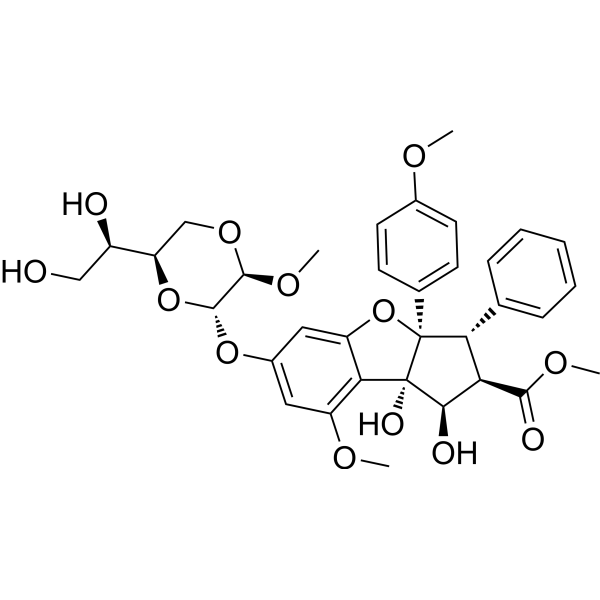
Silvestrol is a eukaryotic translation initiation factor 4A (eIF4A) inhibitor isolated from Agave americana Linn.. Silvestrol induces autophagy and caspase-mediated apoptosis .
14
14 Cited Publications
Art. -Nr.: HY-N0622
CAS. Nr.: 62596-29-6
Synonyms: Mulberrochromene
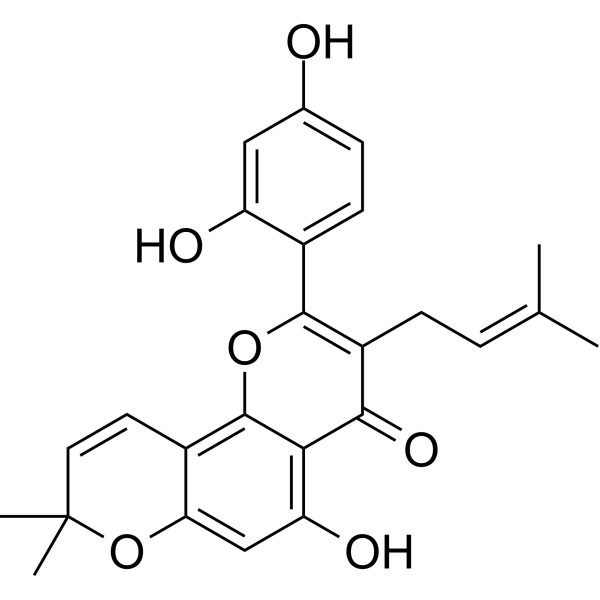
Morusin is a prenylated flavonoid isolated from Morus alba Linn. with various biological activities, such as antitumor, antioxidant, and anti-bacteria property. Morusin could inhibit NF-κB and STAT3 activity.
12
12 Cited Publications
Art. -Nr.: HY-N0013
CAS. Nr.: 3681-93-4
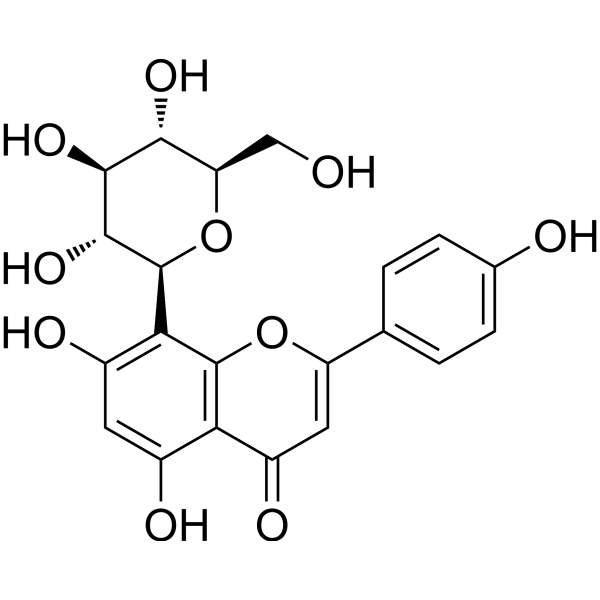
Vitexin is a c-glycosylated flavone, and is found in various medicinal plants species such as Trigonella foenum-graecum Linn. Vitexin has a wide range of pharmacological effects, including anti-oxidant, anti-cancer, anti-inflammatory, anti-hyperalgesic, and neuroprotective effects .
11
11 Cited Publications
Art. -Nr.: HY-N0116
CAS. Nr.: 517-28-2
Synonyms: Natural Black 1; Haematoxylin
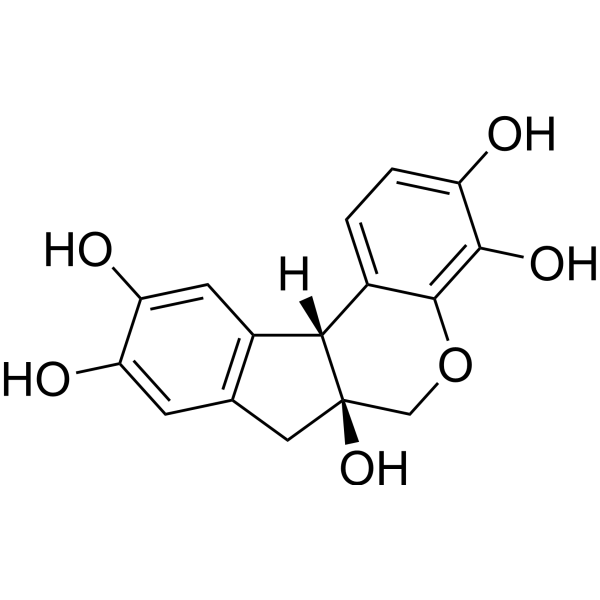
Hematoxylin (Natural Black 1), a naturally occurring flavonoid compound derived from Caesalpinia sappan Linn.. Hematoxylin is a nuclear stain in histology and is also a potent Aβ42 fibrillogenesis inhibitor with an IC50 of 1.6 μM.
10
10 Cited Publications
Art. -Nr.: HY-13065
CAS. Nr.: 20784-50-3
Reinheit:  99.01%
Synonyms: Corylifolinin; Isobacachalcone
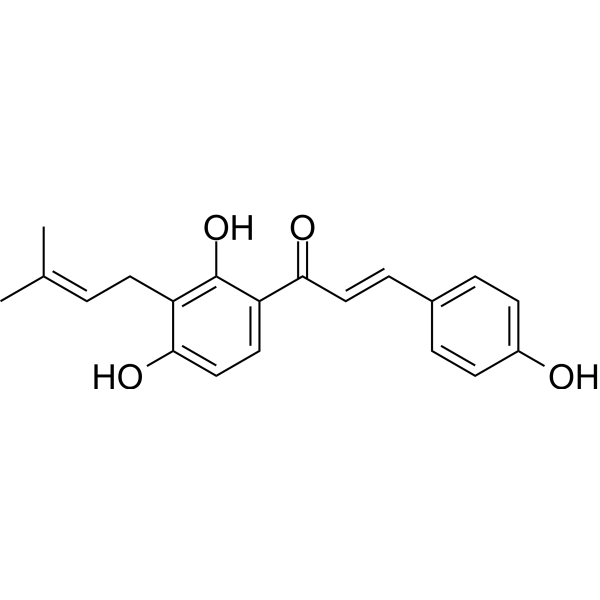
Isobavachalcone (Corylifolinin) is derived from Psoralea corylifolia Linn. and is a potent inhibitor of Akt signaling pathway, which induces apoptosis in human cancer cells (Inhibits OVCAR-8 cell growth with an IC50 value of 7.92 μM). Isobavachalcone also induces Reactive Oxyen Species (ROS) generation in OVCAR-8 cells and has exhibit cancer anti-promotive and anti-proliferative activity .
4
4 Cited Publications
Art. -Nr.: HY-50730
CAS. Nr.: 2224-02-4
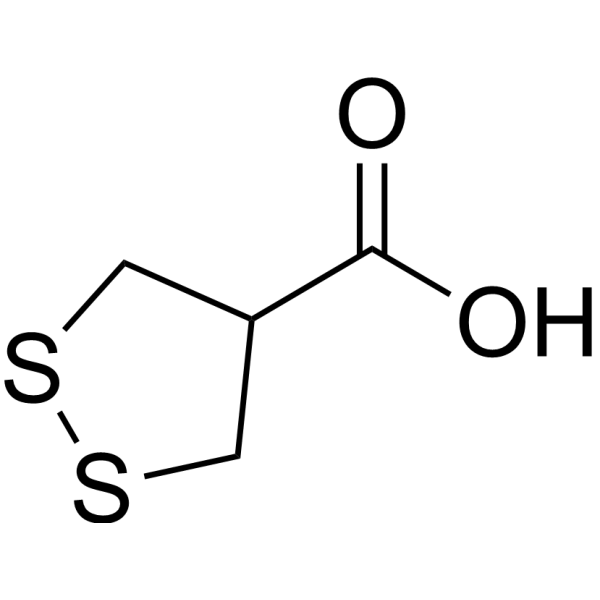
Asparagusic acid is a sulfur-containing flavor component produced by Asparagus officinalis Linn., with anti-parasitic effect. Asparagusic acid is a plant growth inhibitor .
2
2 Cited Publications
Art. -Nr.: HY-75342
CAS. Nr.: 3943-74-6
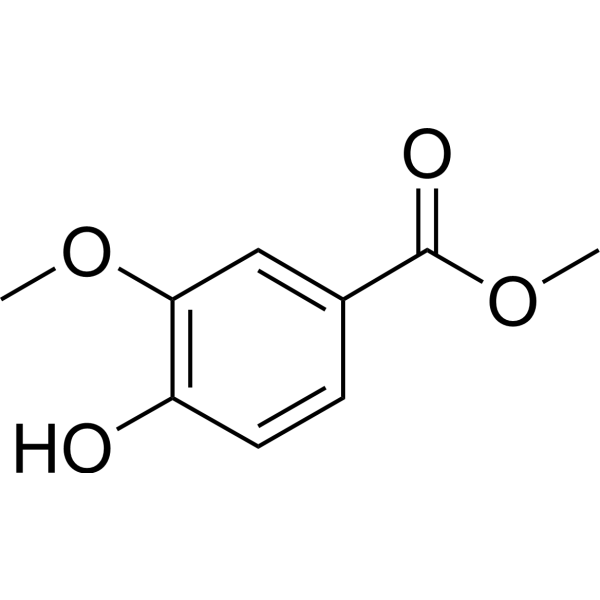
Methyl vanillate, one of the ingredients in Oryza sativa Linn., is a Wnt/β-catenin pathway activator . A benzoate ester that is the methyl ester of vanillic acid. It has a role as an antioxidant and a plant metabolite.
2
2 Cited Publications
Art. -Nr.: HY-N3244
CAS. Nr.: 123702-97-6
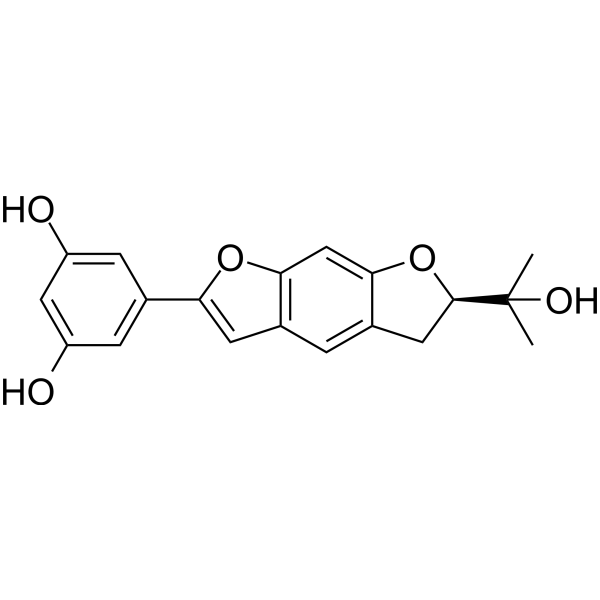
Moracin O is a 2-arylbenzofuran isolated from the Morus alba Linn. . Moracin O exhibits potent in vitro inhibitory activity against hypoxia-inducible factor (HIF-1). Moracin O reduces oxygen-glucose deprivation (OGD)-induced reactive oxygen species (ROS) production. Moracin O has neuroprotective and anti-inflammatory effects .
1
1 Cited Publications
Art. -Nr.: HY-N4165
CAS. Nr.: 6750-30-7
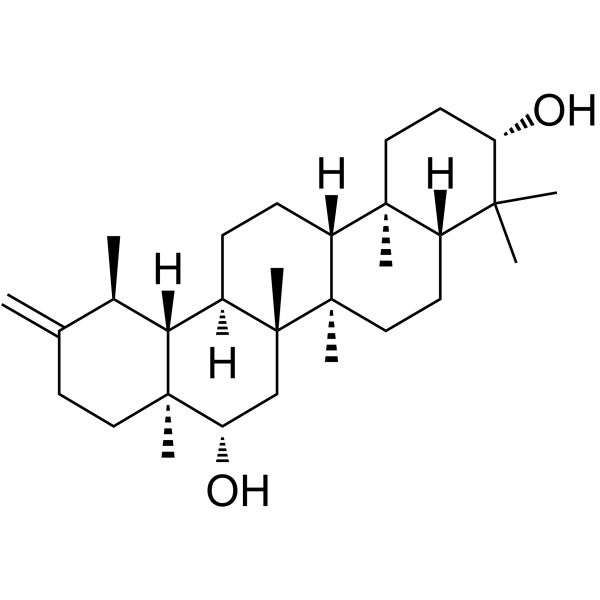
Arnidiol is a pentacyclic triterpene isolated from Barleria Longiflora Linn F. .
1
1 Cited Publications
Art. -Nr.: HY-N4290
CAS. Nr.: 25499-90-5
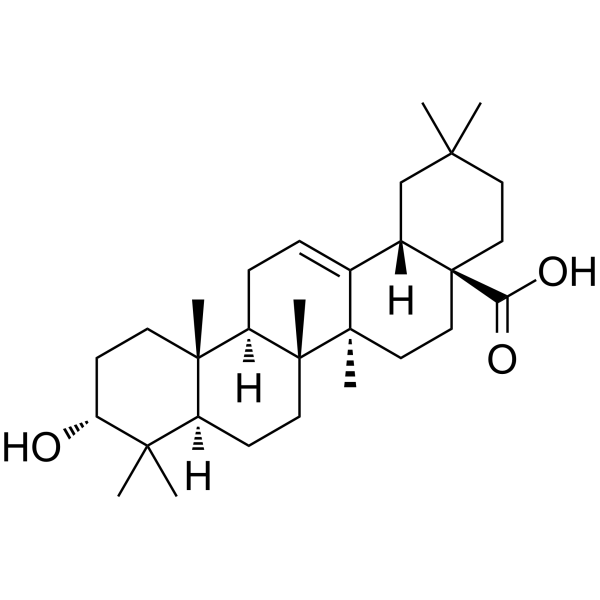
3-Epioleanolic acid is an active component of Verbena officinalis Linn, with anti-inflammatory activity .
1
1 Cited Publications
Art. -Nr.: HY-N0013R
CAS. Nr.: 3681-93-4
Vitexin (Standard) is the analytical standard of Vitexin. This product is intended for research and analytical applications. Vitexin is a c-glycosylated flavone, and is found in various medicinal plants species such as Trigonella foenum-graecum Linn. Vitexin has a wide range of pharmacological effects, including anti-oxidant, anti-cancer, anti-inflammatory, anti-hyperalgesic, and neuroprotective effects .
Art. -Nr.: HY-N0799
CAS. Nr.: 55056-80-9
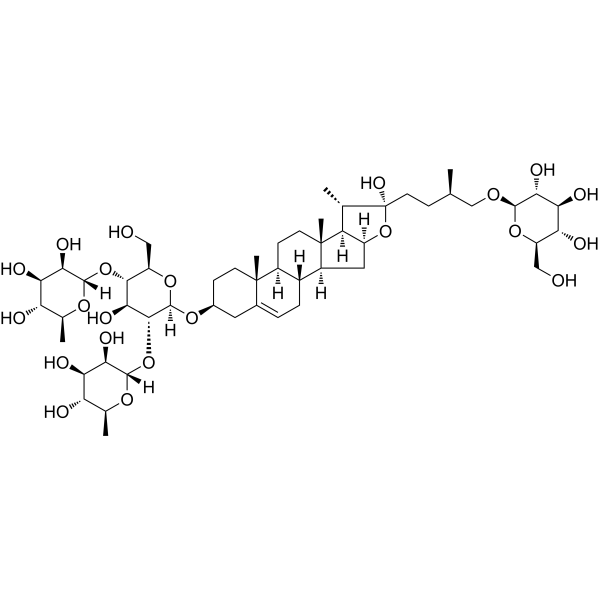
Protodioscin, a major steroidal saponin in Trigonella foenum-graecum Linn., has been shown to exhibit multiple biological actions, such as anti-hyperlipidemia, anti-cancer, sexual effects and cardiovascular properties.
Art. -Nr.: HY-N8347
CAS. Nr.: 482-83-7
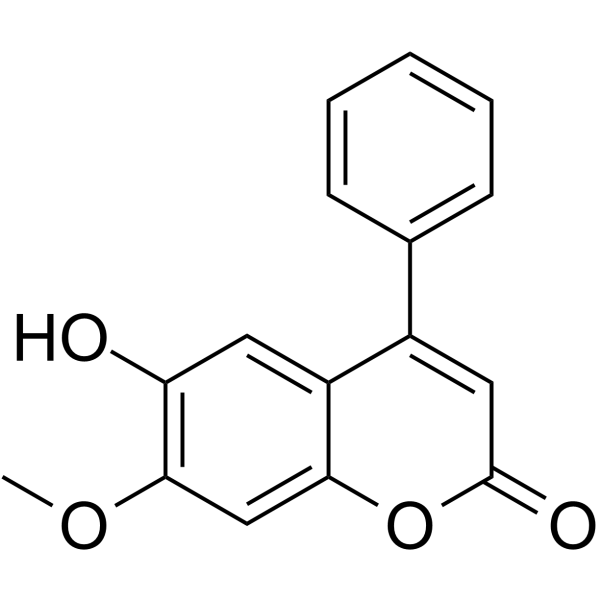
Dalbergin is a composition of the extract from the Dalbergia Sissoo Linn. knot wood. Dalbergin demonstrats notable antioxidant ability .
Art. -Nr.: HY-N6057
CAS. Nr.: 70588-05-5
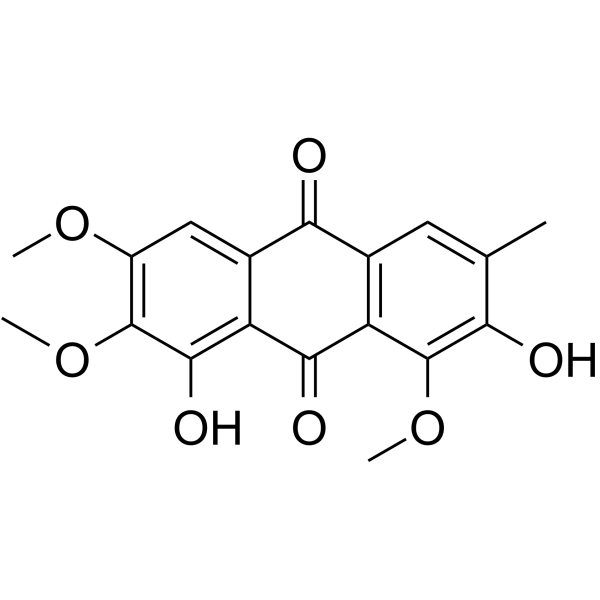
Obtusin, isolated from Cassia obtusifolia Linn seed, is a highly selective and competitive human monoamine oxidase-A (hMAO-A) inhibitor with an IC50 of 11.12 μM and a Ki of 6.15 μM. Obtusin plays a preventive role in neurodegenerative diseases, especially anxiety and depression .
Art. -Nr.: HY-N1402
CAS. Nr.: 54809-74-4
Synonyms: Sophoridine N-oxide
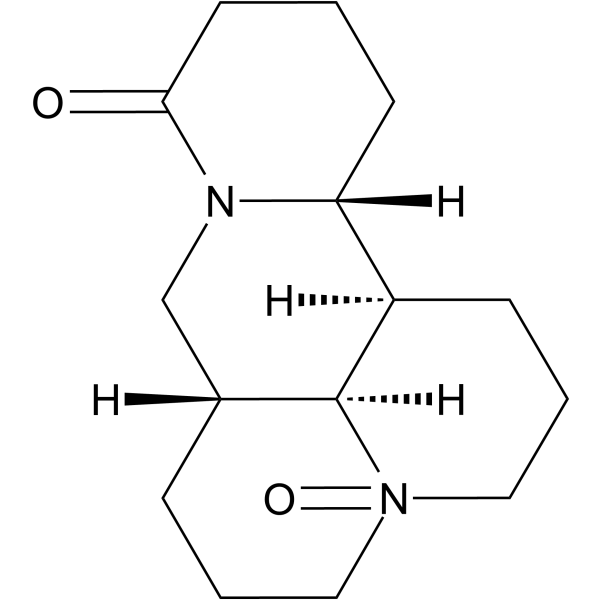
Oxysophoridine (Sophoridine N-oxide) is a bioactive alkaloid extracted from the Sophora alopecuroides Linn. Oxysophoridine (Sophoridine N-oxide) shows anti inflammatory, anti oxidative stress and anti apoptosis effects .
Art. -Nr.: HY-N2795
CAS. Nr.: 35349-68-9
Synonyms: Xanthone I
Target:  

Parasite Bacterial

Forschungsgebiete:  

Infection

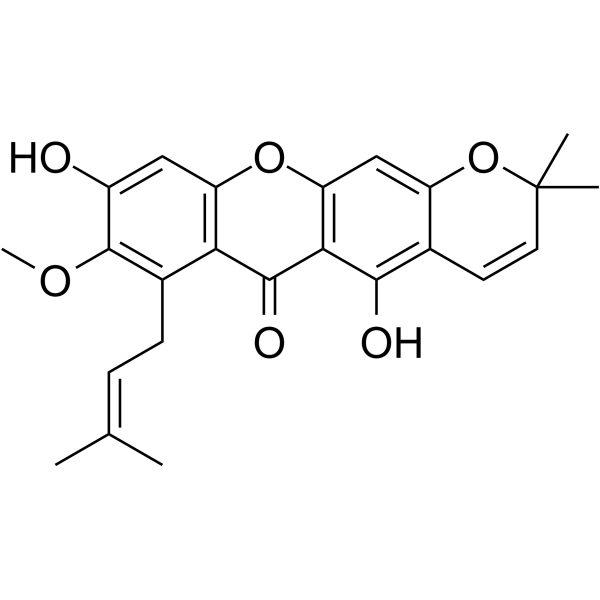
9-Hydroxycalabaxanthone (Xanthone I) is a known xanthone isolated from Garcinia mangostana Linn. 9-Hydroxycalabaxanthone has quorum-sensing inhibitory, anti-microbial, and anti-malarial activities (IC50=1.2-1.5 μM) .
Art. -Nr.: HY-N7496
CAS. Nr.: 12738-19-1
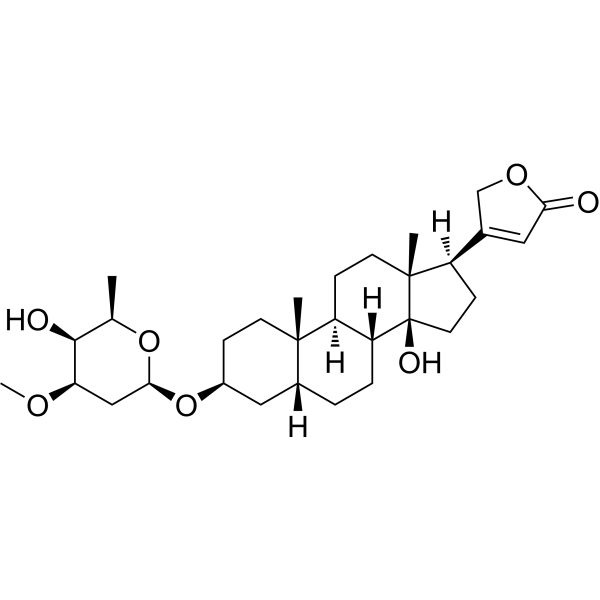
Odoroside A is an active ingredient extracted from the leaves of Nerium oleander Linn. Odoroside A has anti-cancer activity. Odoroside A could induce apoptosis and cell cycle arrest through ROS/p53 signaling pathway, leading to the tumor cell death .
Art. -Nr.: HY-N8448
CAS. Nr.: 114637-83-1
Synonyms: Macroantoin F
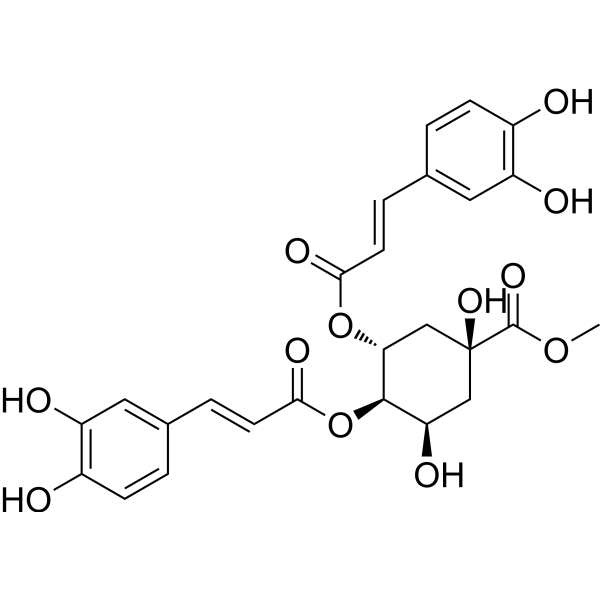
3,4-Di-O-caffeoyl quinic acid methyl ester (Macroantoin F) is a dicaffeoyl derivative isolated from the rhizome of Elephantopus scaber Linn. 3,4-Di-O-caffeoyl quinic acid methyl ester exhibited in vitro antiviral activity against respiratory syncytial virus (RSV) with an IC50 value of 0.78 μg/mL .
Art. -Nr.: HY-N7604
CAS. Nr.: 200127-93-1
Synonyms: Isorubrofusarin gentiobioside
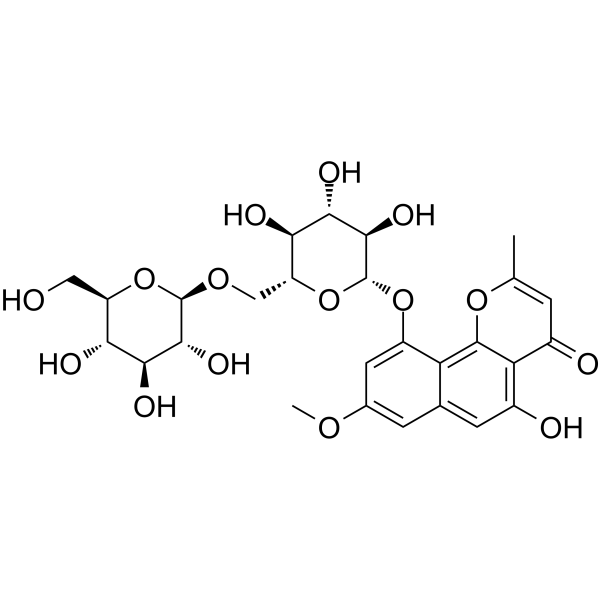
Isorubrofusarin-6-O-β-gentiobioside (Isorubrofusarin gentiobioside) is a naphthopyrone glycoside isolated from Cassia obtusifolia Linn seeds .
Art. -Nr.: HY-W100715
CAS. Nr.: 6638-05-7
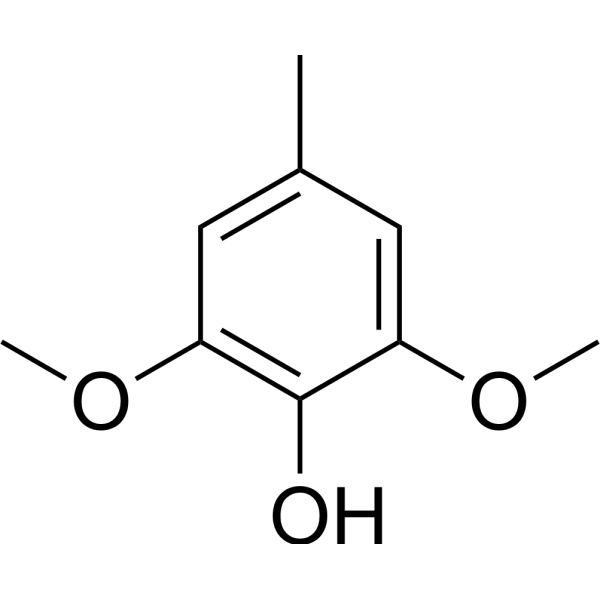
4-Methylsyringol is a phenolic syringol derivative found in a variety of plants. Phenolic compounds are widely present in food and plants and have high synthetic, medicinal, and industrial value. Polyphenols are compounds with various phenolic functions. Natural polyphenols can regulate the cell cycle, induce apoptosis, inhibit cell adhesion, migration, proliferation, and differentiation, and possess a variety of biological activities such as antioxidation, anti-inflammation, anticancer, and antimutagenic effects .

